
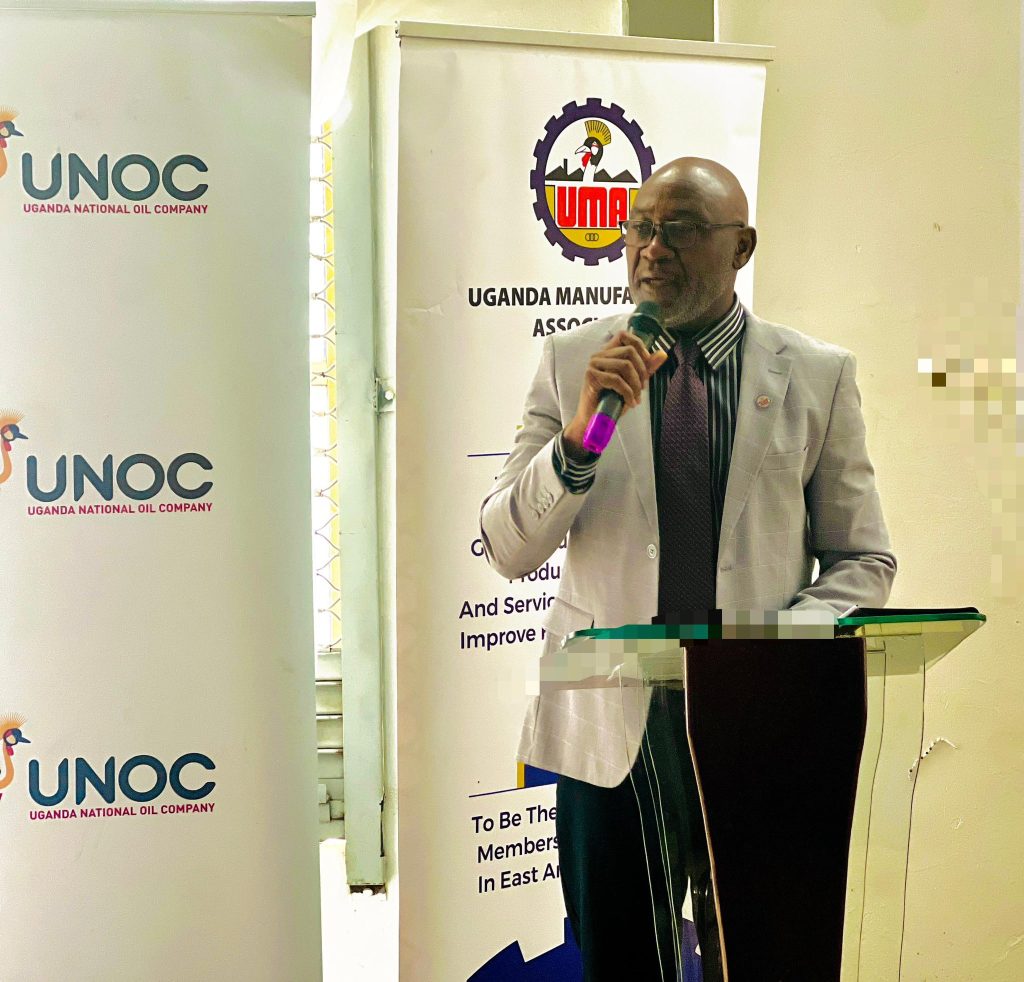
KAMPALA, UGANDA – The future of Uganda’s manufacturing sector is being shaped today, August 14th, as key stakeholders convene for a critical dialogue on developing a domestic supply chain for petrochemical raw materials. The meeting brings leaders from the Uganda Manufacturers Association (UMA) into direct engagement with the heads of the nation’s petroleum sector, including the Petroleum Authority of Uganda (PAU) and the Uganda National Oil Company (UNOC).
The discussion marks a pivotal step in a long-term strategy to leverage Uganda’s oil and gas resources for broad-based industrial growth. Central to the conversation is the plan for the Hoima Refinery which, by its projected operational start around 2030, is set to produce not only fuel but also a range of vital petrochemical feedstocks, the building blocks for countless modern industries.
For Uganda’s manufacturers, today’s dialogue is the foundation for a transformative shift away from a heavy reliance on imported raw materials towards a future of homegrown industrial self-sufficiency.
A Vision for a Self-Sufficient Industrial Sector
The core objective being discussed is to create a closed-loop system where Uganda’s natural resources directly fuel its industrial ambitions. By producing petrochemicals locally, Uganda can significantly cut its import bill, stabilize supply chains against global disruptions, and provide local manufacturers with a competitive advantage. This move is expected to cut costs, boost efficiency, and spur innovation across the board.
Unlocking Opportunities Across the Manufacturing Spectrum
The availability of a stable, local supply of petrochemicals will be a game-changer for numerous sectors, including:
- Plastics and Packaging: Providing the essential polymers needed for manufacturing everything from bottles and containers to construction materials and household goods.
- Agriculture and Agro-processing: Enabling the local production of nitrogen-based fertilizers, which will lower costs for farmers and boost the entire agricultural value chain.
- Construction and Automotive: Supplying key inputs for paints, coatings, sealants, and plastic components used in vehicle assembly and maintenance.
- Fast-Moving Consumer Goods (FMCG): Providing raw materials for personal care products like soaps and lotions, as well as detergents and other household chemicals.
Aligning Production with Industry Demand
The purpose of today’s dialogue is to ensure that this transformation is strategic and demand-driven. The engagement between UMA, PAU, and UNOC is designed to align the planned output of the Hoima Refinery with the specific, real-world needs of Ugandan manufacturers. By understanding the types, quantities, and grades of feedstocks required by local industries, the oil sector can tailor its production plans to maximize local uptake and ensure long-term sustainability.
The message from this landmark meeting is clear: Uganda is moving decisively towards a future of value addition. The collaboration happening today is laying the essential groundwork to ensure that the nation’s petroleum wealth translates directly into a stronger, more resilient, and more competitive manufacturing backbone for generations to come.


0 Comments